APPLICATION
Eggs and Egg Cartons
Labeling on eggs and egg cartons is crucial for enhancing consumer confidence and complying with food regulations.
Codes typically include the production date, expiration date, farm number, and trademark logo.
Because eggs are a natural product with a curved and fragile surface, the coding system must be able to print without contact while still producing fast-drying, food-safe ink.
CHALLENGE
SOLUTION
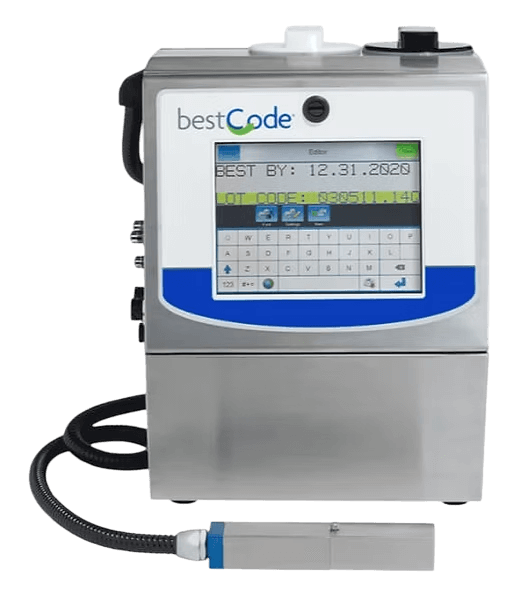
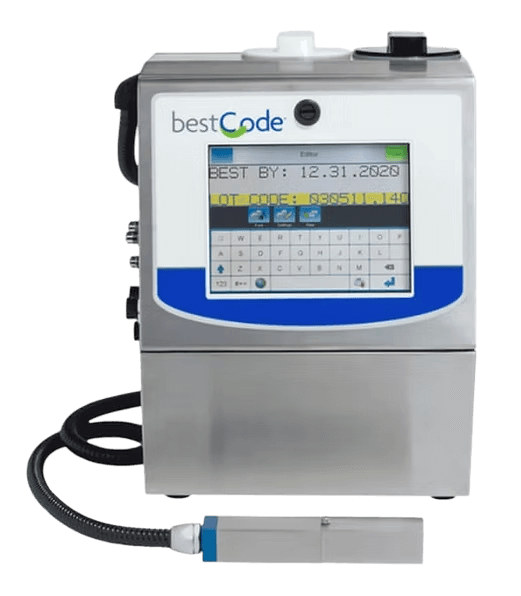
Continuous Inkjet (CIJ) technology is the preferred choice for printing directly onto the egg surface.
CIJ prints with water-based ink (food-grade ink) without touching the egg, ensuring product hygiene and integrity.
Key advantages:
li style="font-weight: 400;">Non-contact printing – safe for eggshells.
/span>
- Food-grade ink certified for food safety.
- High speed, suitable for automatic grading systems.
- Can print batch codes, dates, and small logos clearly.
- Low ink consumption, easy to integrate with conveyor systems.
For printing on egg cartons (paper pulp or recycled cardboard), Thermal Inkjet (TIJ) is the best solution.
This printer produces sharp, high-contrast printsfor outer labels or secondary packaging.
Advantages:
- Print results High resolution (up to 600 dpi).
- Quick-drying ink for porous materials like cardboard.
- Suitable for printing logos, brands, batch codes, and dates.
- Easy to operate, very low maintenance.
- Can be used for printing barcode or QR labels on outer packaging.
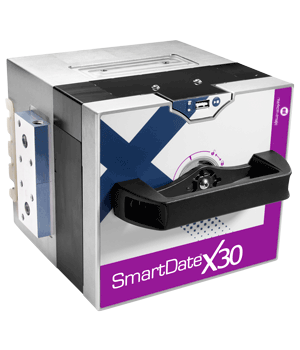
For egg products in plastic packaging or premium shrink film, the Thermal Transfer Overprinter (TTO) printer delivers sharp, hygienic, and abrasion-resistant prints.
Advantages:
- High resolution up to 300 dpi for professional results.
- Suitable for printing Code on flexible film or transparent label.
- No ink spills — a clean and hygienic system.
- Easy ribbon replacement and suitable for high-volume production.